
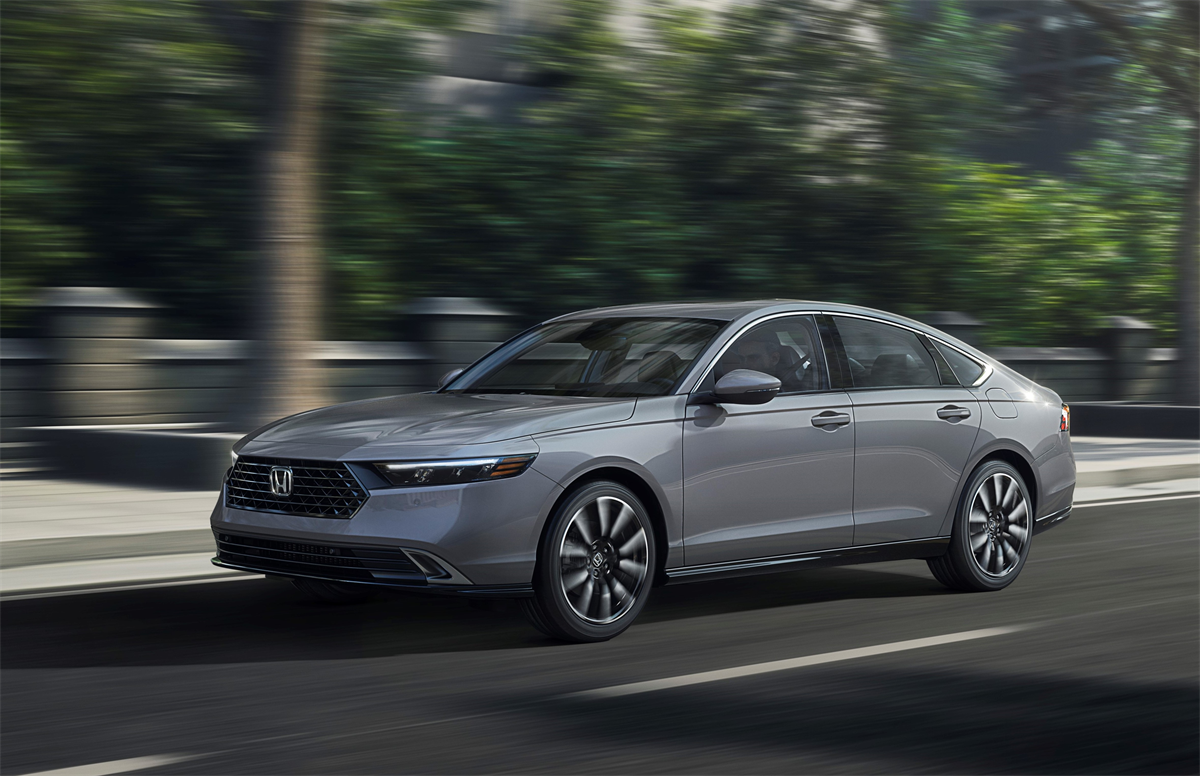
Expressway 83 at 7:40 am is less a drive than a slow negotiation, and the vehicle you spend it in shapes how your whole day starts. The 2026 Honda Accord has several features that are well suited for commuters who struggle with heavy traffic. At Clark Knapp Honda in Pharr, TX, we’re sharing the reasons drivers keep asking about this sedan. A Powertrain Tuned for Stop-and-Go The gas-powered 2026 Honda Accord uses a 1.5-liter turbocharged four-cylinder that produces 192 horsepower and 192 lb-ft of torque, paired with a continuously variable transmission and front-wheel drive. That combination matters less for a quarter-mile run than for the dozens of times you ease off and back onto the accelerator between Pharr and McAllen, TX. The CVT provides smooth power delivery without a conventional automatic transmission's fixed gear changes, while Active Noise Cancellation helps reduce unwanted cabin noise. Cabin Technology You Actually Use Every Morning The LX and SE feature a 9-inch color touchscreen, while hybrid trims step up to a 12.3-inch display. Wireless Apple CarPlay® and Android Auto™ compatibility are standard across the lineup. Wireless charging keeps the battery climbing during a long crawl, and a 10.2-inch digital instrument cluster puts turn prompts where your eyes already are. Standard Driver Assistance Does the Grinding Work Honda Sensing® is standard on this model and includes Collision Mitigation Braking System™, Road Departure Mitigation, Adaptive Cruise Control with Low-Speed Follow, Lane Keeping Assist, Traffic Jam Assist, and Auto High-Beam Headlights. Traffic Jam Assist is the one you notice on a bad morning, since it can help with steering assistance in low-speed traffic, while Adaptive Cruise Control with Low-Speed Follow can help maintain a set following interval. Schedule a Test Drive at Clark Knapp Honda A commute is the one drive you cannot opt out of, so a sedan that handles it well buys back something you feel every morning. Clark Knapp Honda is ready to set up a test drive along the route you take instead of a loop around the block. Our finance team can price out Honda financing terms during the same visit.
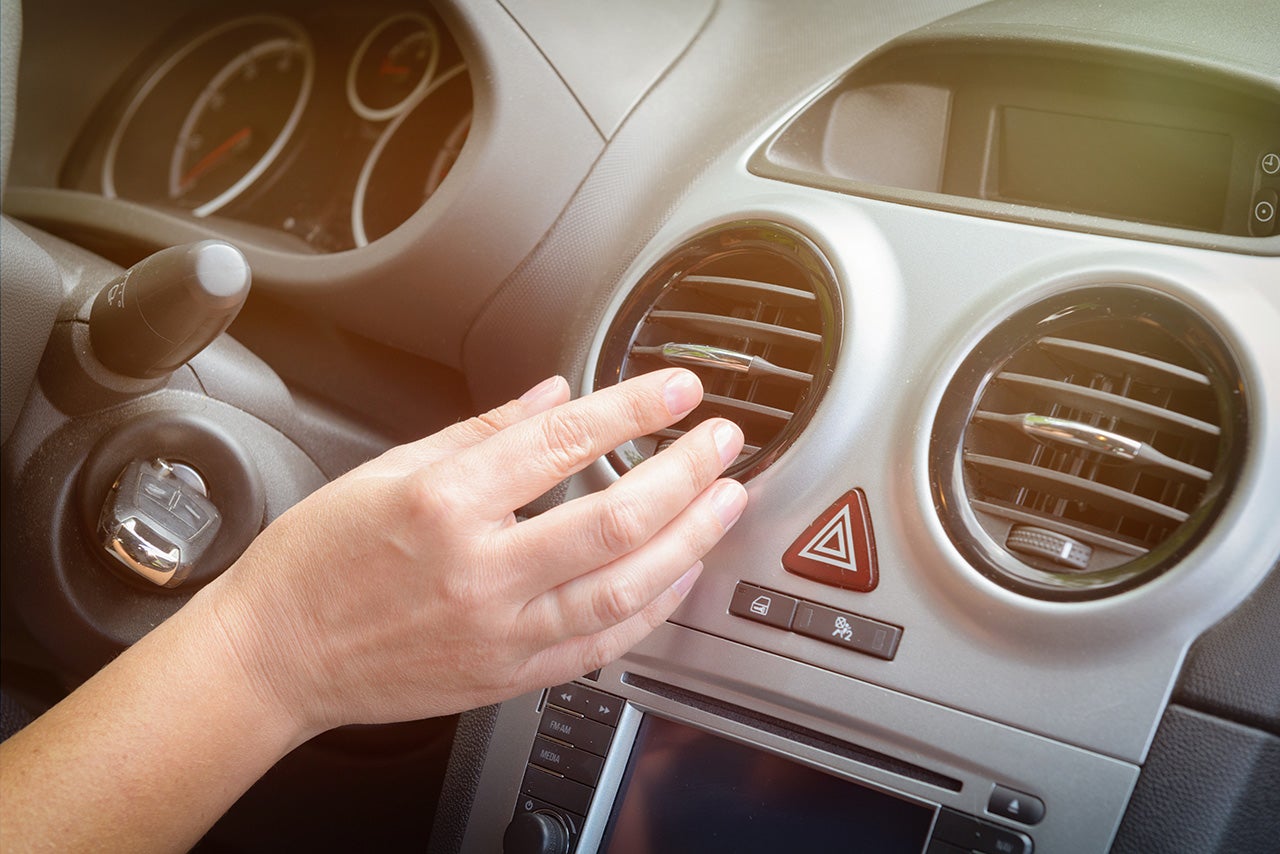
Honda A/C Repair: Why Your Vents Are Blowing Warm Air
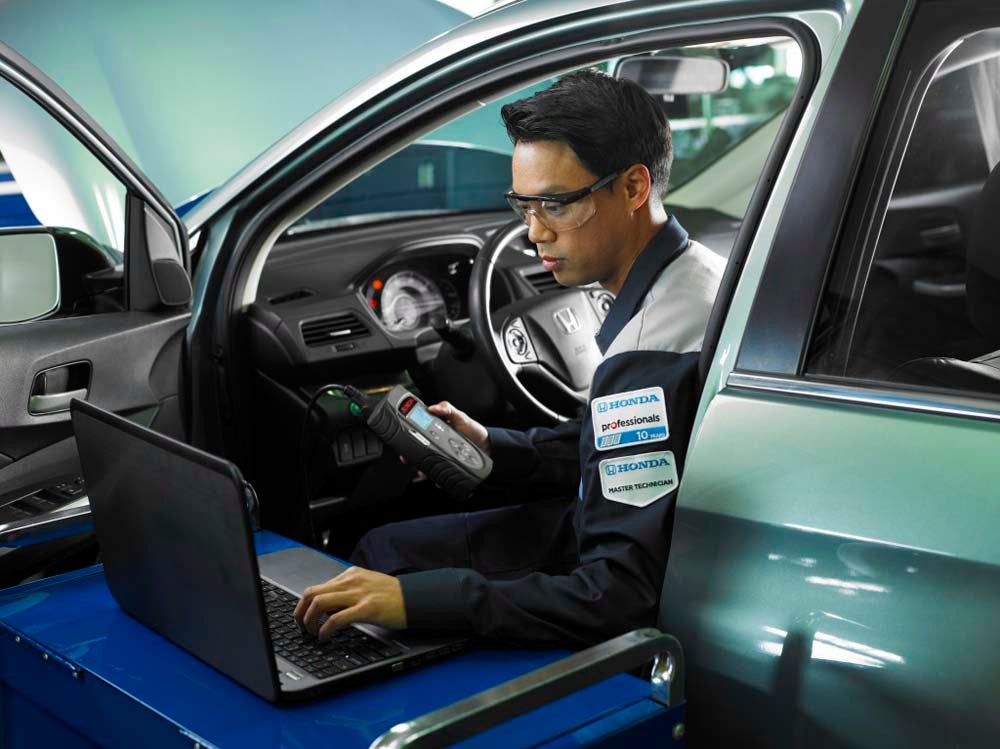
When temperatures climb in the Rio Grande Valley, Honda A/C repair becomes especially important for staying comfortable behind the wheel. Warm air from your vents can indicate several problems, from low refrigerant levels to malfunctioning components or restricted airflow. Clark Knapp Honda explains the most common causes and why an accurate diagnosis matters before scheduling repairs. Low Refrigerant May Indicate a Leak Your Honda air conditioning system circulates refrigerant through a sealed network of components to remove heat from the cabin. Unlike engine oil or fuel, refrigerant isn't routinely consumed during normal operation, so a low charge may indicate a leak. Common leak locations include hoses, seals, the condenser, and the evaporator. Although adding refrigerant may temporarily restore cooling, it won't correct an underlying leak. A technician can inspect the system, identify potential leak sources, and determine whether repairs are necessary before recharging it. Your vehicle must also receive the refrigerant type specified by Honda for its particular model and year. Compressor Problems Can Affect Cooling The A/C compressor circulates and pressurizes refrigerant, making it essential to the cooling process. If the compressor or its associated controls malfunction, you may notice inconsistent cooling, unusual noises, or air that never becomes sufficiently cold. However, these symptoms can also result from refrigerant leaks, electrical problems, or other component failures. A professional inspection helps distinguish compressor problems from other possible causes. Technicians may evaluate refrigerant pressures, electrical controls, and related components to identify the appropriate repair. Diagnosing the issue early can help prevent unnecessary parts replacement. Weak Airflow May Point to a Clogged Filter If your vents produce very little air, the problem may involve airflow rather than refrigerant. A clogged cabin air filter, also called a dust and pollen filter, can restrict air entering the passenger compartment. Blower motor problems or evaporator icing may produce similar symptoms. For many Honda models, Maintenance Minder™ sub-code 2 includes replacement of the dust and pollen filter and engine air cleaner element, along with a drive belt inspection. Honda also recommends more frequent cabin filter replacement under certain driving conditions, including urban environments with high concentrations of soot. Follow the maintenance guidance for your specific vehicle. Schedule Honda A/C Repair in Pharr, TX Whether your Honda blows warm air, cools inconsistently, or struggles to maintain airflow, professional diagnosis can help identify the underlying problem. Keeping your air conditioning system in good condition makes everyday driving more comfortable throughout the Rio Grande Valley's long, hot summers. Contact Clark Knapp Honda to discuss your symptoms and schedule an A/C inspection in Pharr, TX.