Blog

Honda CPO Warranty: What's Included and What's Not

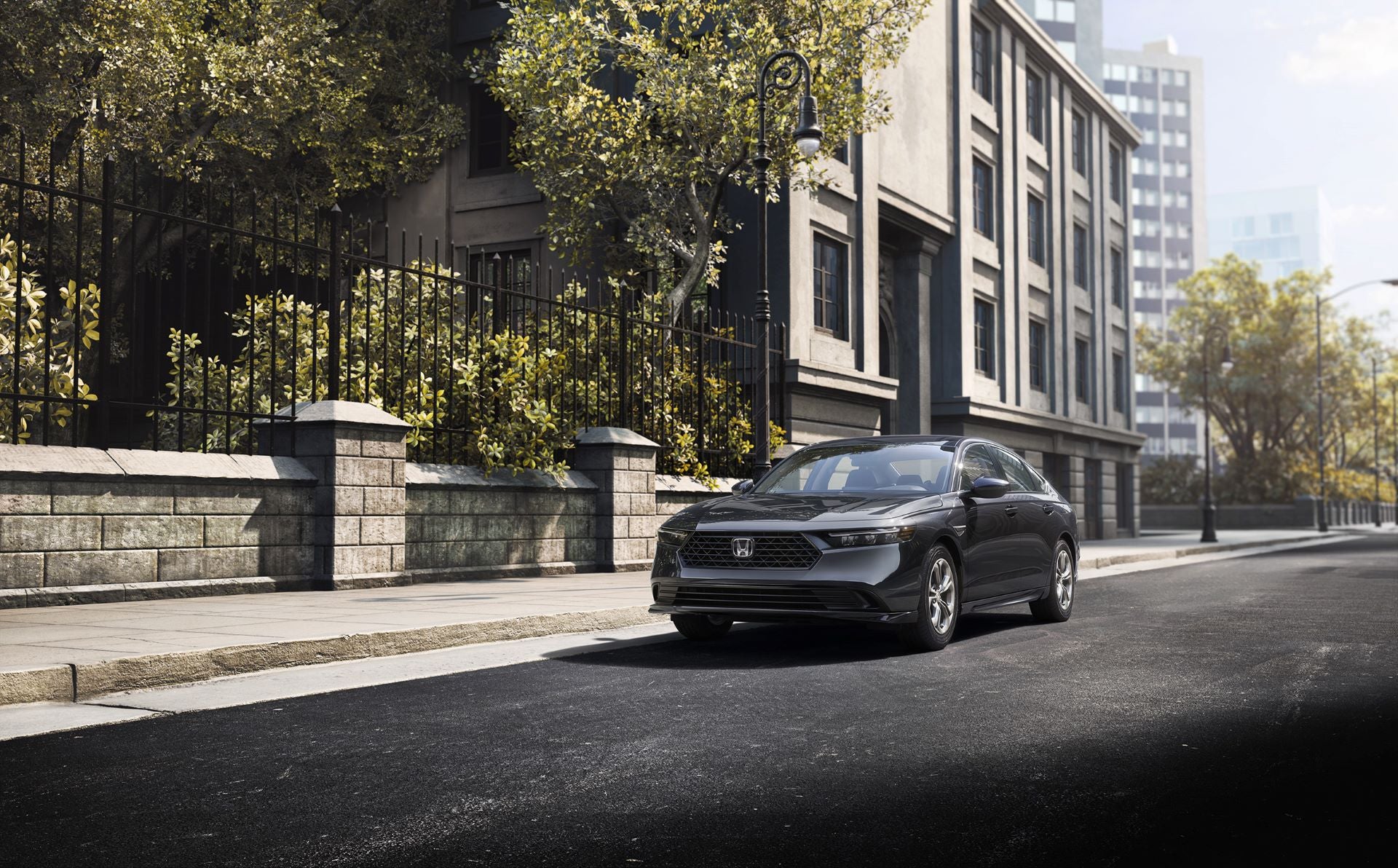
2023-Honda-Accord-LX-Parked-web

One of the major perks of a Honda CPO vehicle is warranty coverage. It’s designed to protect you for the unlikely instance that your vehicle needs repairs. Clark Knapp Honda is outlining the coverage included and what it entails.

New Vehicle Warranty

All new Honda vehicles include warranty coverage. If your Certified Pre-Owned vehicle’s original warranty is still intact, you’ll have the remainder of the new vehicle coverage. This includes a New Vehicle Limited Warranty that lasts for up to three years or 36,000 miles (whichever comes first) and a five-year/60,000-mile New Vehicle Limited Powertrain Warranty.

Powertrain Warranty

You’ll have extra coverage with a Honda CPO vehicle, too. It includes up to seven years or 100,000 miles of Limited Powertrain Coverage (including the New Vehicle Limited Powertrain Warranty period). This coverage protects you if you need repairs or replacements due to your vehicle’s original craftsmanship or materials. It covers your engine, transmission, transfer case, and FWD or RWD system.

Non-Powertrain Coverage

Honda CPO vehicles are also covered for up to two additional years (or up to 100,000 miles total) with Non-Powertrain Coverage, after the New Vehicle Limited Warranty expires (or beginning the day of purchase if it has already expired). Non-powertrain coverage includes your suspension, fuel system, steering, brakes, battery, heating and air conditioning, and more.

What’s Not Covered

Service and repairs that are not covered by your warranty generally fall into three main categories. These categories include:

  • Standard maintenance and procedures
  • Emission system
  • General appearance (body parts, interior, and glass)

Browse Honda CPO Vehicles in Pharr, TX

With the comprehensive coverage include with Honda CPO vehicles, you can easily get the repairs you need at Clark Knapp Honda. We’re also happy to help you upgrade to your own Honda CPO if you want the peace of mind they provide. Stop in to get started today!

Recommended Posts

Honda service technician under the car

Your Fall Honda Service Center Checklist to Get Winter-Ready

The Rio Grande Valley rarely hands you a hard freeze, but it does hand you a battery that baked under the hood for four straight months. A fall visit to a Honda service center catches what that heat wore down. Our team at Clark Knapp Honda will go through your essential systems to make sure your vehicle is ready for when winter weather rolls in. Start With the Battery That Survived Summer Heat can punish a battery harder than cold does, and AAA puts typical battery life in hot southern climates at roughly three years, against five or longer up north. Once yours passes three years, AAA recommends an annual test, and a load test is quick. Your technician inspects the terminals and hold-down hardware during the same stop. Tires Take the Brunt of Rainy-Season Driving Tread depth is incredibly important for maintaining traction and channeling water away on wet pavement. The NHTSA recommends replacing a tire once its tread wears to 2/32 of an inch. Check pressure monthly when the tires are cold, generally after the vehicle has sat at least three hours, because falling overnight temperatures pull pressure down and trip your TPMS light. NHTSA counted 511 traffic fatalities in tire-related crashes in 2024. Wipers, Defrosters, and Coolant Get Their Turn Valley humidity fogs glass fast on a 45-degree morning, so your defroster, blower motor, and rear-window defogger all get tested. Wiper blades cracked by summer UV smear instead of clearing. Swapping them takes less time than a coffee run. Coolant gets checked for condition and protection level, because the system that fought triple-digit heat is what warms your cabin when a there’s a steep drop in temperature. Schedule Fall Maintenance at Clark Knapp Honda Walking into a cold snap knowing your battery, tires, and wipers were already checked is a specific kind of relief. Our Honda dealership in Pharr, TX keeps factory-trained technicians and genuine parts under one roof, so the work is done right the first time. Schedule service at Clark Knapp Honda so you’re ready for winter weather today.

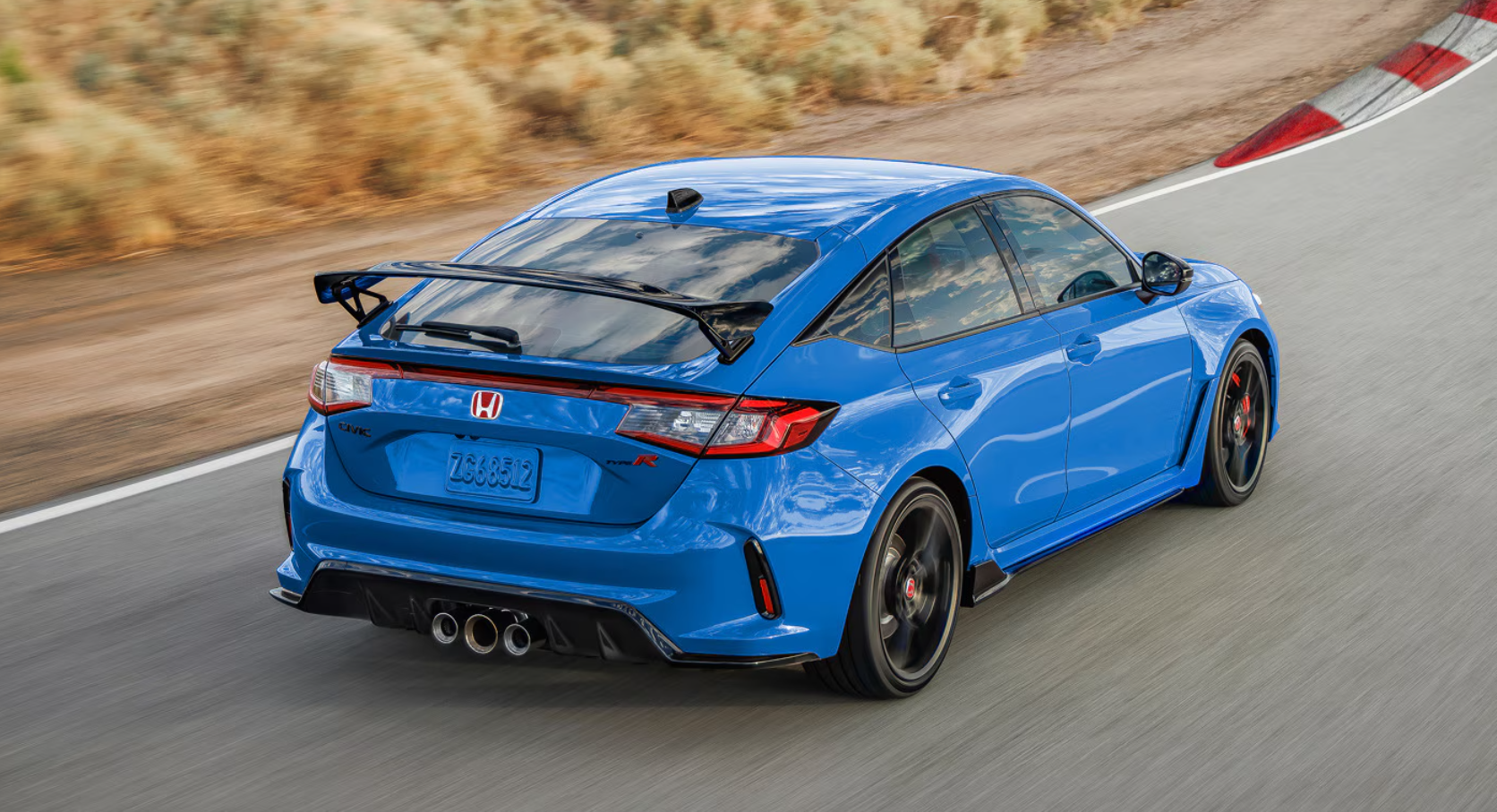
2026 Honda Civic Type R on a track

Honda Civic Type R vs Honda Civic Si: Which Variant is Right for You?

Thrill-seeking drivers who want an invigorating ride can’t get enough of the road-blistering Honda Civic Type R 0-60 acceleration. You’ll zoom from a stop to 60 mph in as little as 4.9 seconds according to independent testing, while the Honda Civic Si takes a little longer. Find out which 2026 variant is right for you at Clark Knapp Honda. Performance Specs The racing-inspired Honda Civic Type R is driven by a 2.0-liter VTEC® turbo engine with 315 horsepower and 310 lb-ft of torque. It also features a six-speed manual transmission, dual-axis front suspension, an adaptive damper system, and a four-mode drive system that includes +R, Individual, Sport, and Comfort modes. Behind the wheel of the Honda Civic Si, you’ll have the 200-horsepower, 192-lb-ft of torque 1.5-liter turbocharged engine under your command. It also offers a six-speed manual transmission, plus a MacPherson strut front suspension and three Dynamic Drive Modes: Normal, Sport, and Individual. Design Features In addition to deciding whether the Honda Civic Type R 0-60 meets your performance standards, these two models include different design features. The cabin of the Honda Civic Type R has four seats, sport pedals, a wireless phone charger, and a stopwatch. Meanwhile, the Honda Civic Si seats five and features a one-touch power moonroof. Both variants let you enjoy a nine-inch color touchscreen and a Bose® sound system with twelve speakers. Experience the Exhilarating Honda Civic Type R in Pharr, TX Will you love the pulse-pounding performance of the Honda Civic Type R, or does the Honda Civic Si match your vibe? Stop by our Honda dealership in Pharr, TX today. We’ll show you the differences, help you pick out the right one, and set you up with a custom financing offer!

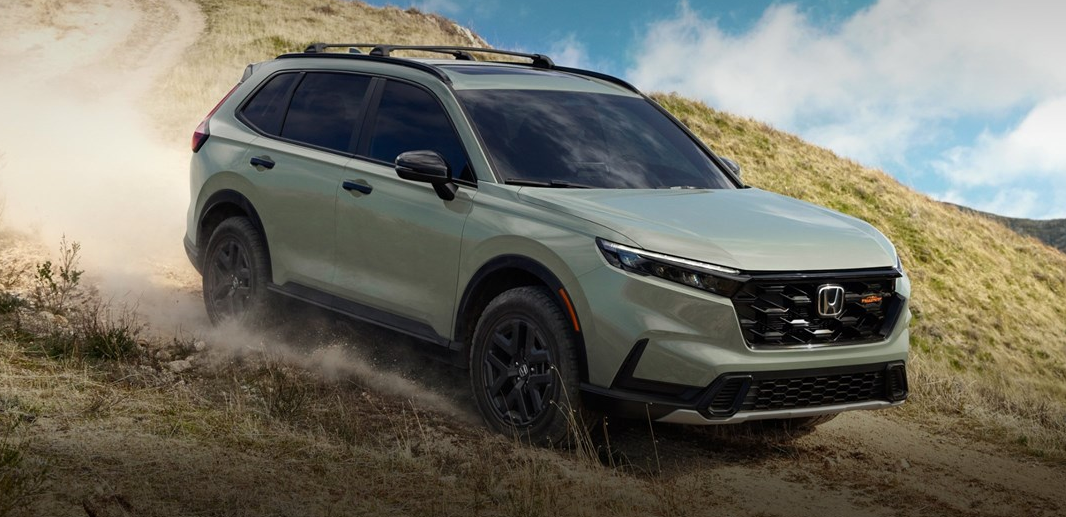
2026 Honda CR-V off-road

Honda HR-V vs Honda CR-V: Comparing Small SUVs

Drivers shopping for a Honda small SUV have two incredible options to choose from: the Honda HR-V and the Honda CR-V. Both include the Honda Sensing® safety suite, though there are some differences in performance and design. Here’s a look at both from the friendly experts at Clark Knapp Honda. A Look at Each Model’s Performance The 2026 Honda HR-V features a 16-valve DOHC VTEC® engine with up to 158 horsepower and 138 lb-ft of torque. The 2026 Honda CR-V is brawnier, with a 16-valve DOHC VTEC® turbocharged engine that revs up to 190 horsepower and 179 lb-ft of torque. Both of these members of the Honda small SUV lineup include a continuously variable transmission and three drive modes (3-Mode Econ, Normal, and Snow). Real Time AWD with Intelligent Control System™ is available on both models. Touring the Two Cabins Each Honda small SUV offers a five-seat cabin with available tech features like a nine-inch color touchscreen, a wireless phone charger, and wireless Android Auto™ and Apple CarPlay®. The Honda CR-V is a bit bigger, though: its interior boasts 106 cubic feet of passenger volume plus 26.3 cubic feet of cargo space behind the seats, while the Honda HR-V has 98.7 cubic feet of passenger volume and 24.4 cubic feet of cargo room behind the second row. Get Behind the Wheel of a Honda Small SUV in Pharr, TX Which Honda small SUV will you choose: the smaller and stylish Honda HR-V or the bigger, brawnier Honda CR-V? The best way to make sure you make the right decision is by checking out both options. Visit our Honda dealership in Pharr, TX today to see the possibilities and take home your very own model!