Blog / Honda hybrid

How Long Do Honda Hybrid Batteries Last?

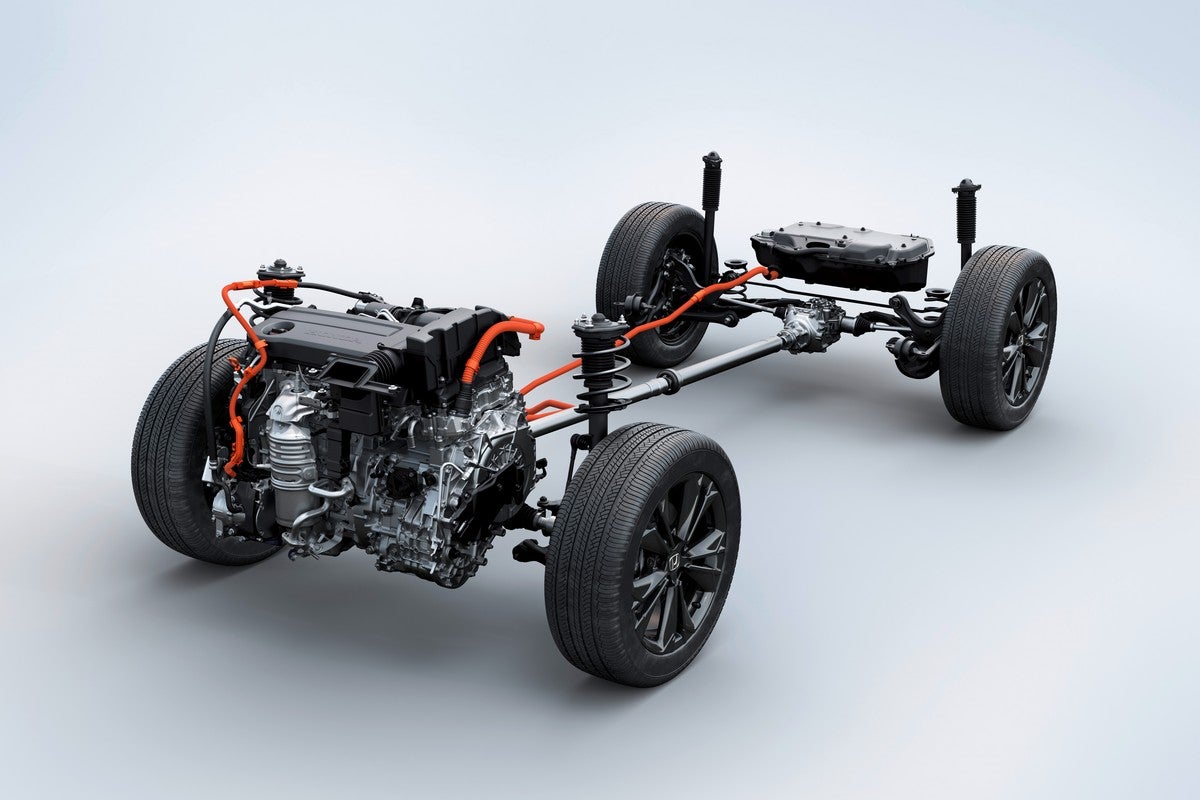
Honda CR-V hybrid powertrain
Understanding the Honda hybrid battery life span can help you plan for long-term ownership and maintenance costs. Honda hybrid batteries are designed for years of dependable performance, with warranty protection that provides additional peace of mind. Clark Knapp Honda explains how long these batteries typically last, what affects their longevity, and which warranty protections apply.

Average Honda Hybrid Battery Lifespan

Honda hybrid batteries are designed to last approximately eight to 15 years or 100,000 to 150,000 miles under normal driving conditions. Actual longevity varies depending on climate, driving habits, vehicle age, and battery condition. Some batteries may continue performing beyond these estimates, while others may require attention sooner.
Unlike conventional 12-volt batteries, high-voltage hybrid batteries work alongside the gasoline engine to support efficient performance. The hybrid system automatically manages charging and discharging during everyday driving, eliminating the need for external charging equipment.

Honda Hybrid Battery Warranty Coverage

Honda provides an eight-year or 100,000-mile High Voltage Battery Capacity Limited Warranty, whichever comes first. This coverage protects against greater-than-normal battery capacity degradation, as determined by an authorized Honda dealership. Gradual capacity loss from normal use is expected and does not automatically qualify for warranty repairs.
Honda also provides a three-year/36,000-mile New Vehicle Limited Warranty and a five-year/60,000-mile Powertrain Limited Warranty. These protections cover different vehicle components and should not be confused with the high-voltage battery warranty. Consult your vehicle's warranty booklet for specific coverage terms and limitations.

How to Help Your Hybrid Battery Last Longer

Proper vehicle care can support your Honda hybrid battery's long-term performance. Follow the recommended maintenance schedule, keep battery cooling vents unobstructed, and address warning messages promptly. Excessive heat can also affect battery health, making proper ventilation particularly important during hot Texas summers.
Watch for noticeable changes in fuel efficiency, unexpected fluctuations in battery charge levels, or hybrid system warning indicators. Although these symptoms do not necessarily mean the battery needs replacement, they warrant professional evaluation.
Schedule Honda Hybrid Service in Pharr, TX

Regular inspections and timely maintenance can help your Honda hybrid deliver dependable performance for years to come. At Clark Knapp Honda, our service team can review your vehicle's warranty coverage, evaluate battery concerns, and recommend appropriate maintenance. Contact us today to schedule Honda hybrid service in Pharr, TX, and keep your vehicle ready for the road ahead.
Posted in:

Recommended Posts

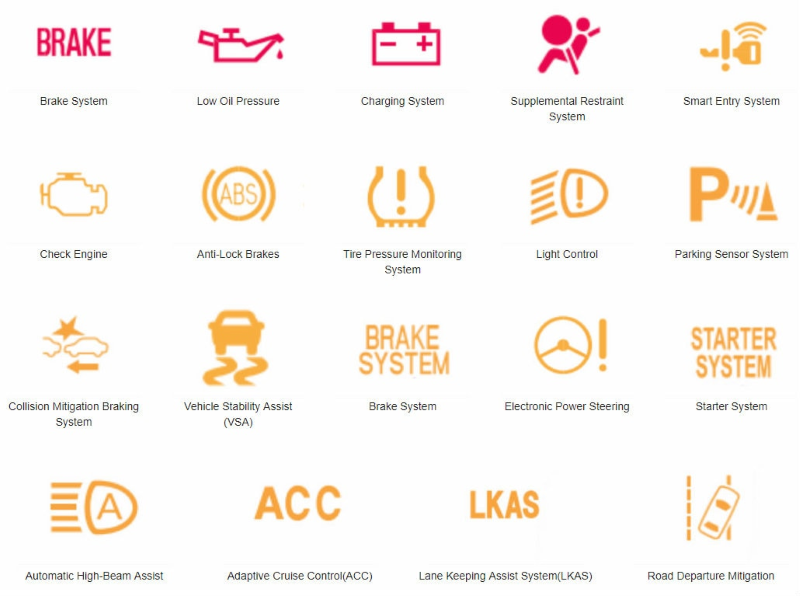
A chart of Honda Dashboard Warning symbols

Honda Dashboard Warning Lights and What Each Color Means

Understanding Honda dashboard warning lights helps you recognize potential vehicle problems and determine when service is necessary. Each illuminated symbol identifies a specific system, while its color provides a general indication of urgency. Clark Knapp Honda explains the most common dashboard indicators and what drivers in Pharr, TX, should do when they appear. Red Warning Lights: When to Take Immediate Action Red dashboard indicators often signal conditions that require immediate attention, although their meanings vary. Some of the most important include: Low Oil Pressure: Indicates insufficient engine oil pressure. Stop safely, shut off the engine, and check the oil level according to your owner's manual. Brake System Warning: May indicate low brake fluid, a braking system malfunction, or an engaged parking brake. Release the parking brake if applicable, and seek immediate assistance if the warning persists or braking feels abnormal. Charging System Warning: Indicates a problem with the vehicle's electrical charging system. Stop somewhere safe and arrange prompt professional assistance. Amber Warning Lights: Problems That Need Attention Amber or yellow indicators generally identify systems requiring inspection or corrective action. Common examples include: Check Engine Light: A steady light may indicate an emissions or engine management problem. Avoid high speeds and arrange a prompt inspection. Tire Pressure Warning: Indicates significantly low tire pressure or a monitoring system problem. Check your tires and adjust inflation to the recommended levels. ABS Warning: Signals a possible anti-lock braking system malfunction. Conventional braking may remain available, but the system requires inspection. A flashing check engine light is more urgent because it can indicate an engine misfire. Honda recommends stopping in a safe location away from flammable materials and allowing the engine to cool for at least 10 minutes. Follow your owner's manual for further instructions before attempting to continue driving. Green and Blue Indicators: General Information Green and blue dashboard indicators typically communicate normal vehicle functions rather than mechanical problems. Green symbols may indicate active turn signals or cruise control, while a blue headlight symbol commonly identifies high-beam operation. These indicators generally require no service unless they behave unexpectedly. Understanding the Honda Maintenance Minder The Honda Maintenance Minder uses a wrench symbol and service codes to identify upcoming maintenance needs. Main code A indicates an engine oil change, while code B includes an oil and filter change along with additional inspections. Numbered sub-codes identify services such as tire rotation, filter replacement, transmission fluid service, spark plug replacement, coolant replacement, and brake fluid replacement. Maintenance codes and requirements vary by model and year, so consult your owner's manual for specific instructions. These reminders help you plan routine maintenance rather than indicating an immediate mechanical failure. Schedule Honda Service in Pharr, TX Whether you're dealing with a persistent warning light or an upcoming maintenance reminder, professional service can help keep your Honda vehicle performing reliably. The technicians at Clark Knapp Honda can inspect warning indicators, diagnose potential problems, and recommend appropriate repairs. Contact our service team in Pharr, TX, today to schedule an appointment.

Person checking air conditioning vents

Honda A/C Repair: Why Your Vents Are Blowing Warm Air

When temperatures climb in the Rio Grande Valley, Honda A/C repair becomes especially important for staying comfortable behind the wheel. Warm air from your vents can indicate several problems, from low refrigerant levels to malfunctioning components or restricted airflow. Clark Knapp Honda explains the most common causes and why an accurate diagnosis matters before scheduling repairs. Low Refrigerant May Indicate a Leak Your Honda air conditioning system circulates refrigerant through a sealed network of components to remove heat from the cabin. Unlike engine oil or fuel, refrigerant isn't routinely consumed during normal operation, so a low charge may indicate a leak. Common leak locations include hoses, seals, the condenser, and the evaporator. Although adding refrigerant may temporarily restore cooling, it won't correct an underlying leak. A technician can inspect the system, identify potential leak sources, and determine whether repairs are necessary before recharging it. Your vehicle must also receive the refrigerant type specified by Honda for its particular model and year. Compressor Problems Can Affect Cooling The A/C compressor circulates and pressurizes refrigerant, making it essential to the cooling process. If the compressor or its associated controls malfunction, you may notice inconsistent cooling, unusual noises, or air that never becomes sufficiently cold. However, these symptoms can also result from refrigerant leaks, electrical problems, or other component failures. A professional inspection helps distinguish compressor problems from other possible causes. Technicians may evaluate refrigerant pressures, electrical controls, and related components to identify the appropriate repair. Diagnosing the issue early can help prevent unnecessary parts replacement. Weak Airflow May Point to a Clogged Filter If your vents produce very little air, the problem may involve airflow rather than refrigerant. A clogged cabin air filter, also called a dust and pollen filter, can restrict air entering the passenger compartment. Blower motor problems or evaporator icing may produce similar symptoms. For many Honda models, Maintenance Minder™ sub-code 2 includes replacement of the dust and pollen filter and engine air cleaner element, along with a drive belt inspection. Honda also recommends more frequent cabin filter replacement under certain driving conditions, including urban environments with high concentrations of soot. Follow the maintenance guidance for your specific vehicle. Schedule Honda A/C Repair in Pharr, TX Whether your Honda blows warm air, cools inconsistently, or struggles to maintain airflow, professional diagnosis can help identify the underlying problem. Keeping your air conditioning system in good condition makes everyday driving more comfortable throughout the Rio Grande Valley's long, hot summers. Contact Clark Knapp Honda to discuss your symptoms and schedule an A/C inspection in Pharr, TX.

2026 Honda Accord on the road

Why Commuters Love the 2026 Honda Accord

Expressway 83 at 7:40 am is less a drive than a slow negotiation, and the vehicle you spend it in shapes how your whole day starts. The 2026 Honda Accord has several features that are well suited for commuters who struggle with heavy traffic. At Clark Knapp Honda in Pharr, TX, we’re sharing the reasons drivers keep asking about this sedan. A Powertrain Tuned for Stop-and-Go The gas-powered 2026 Honda Accord uses a 1.5-liter turbocharged four-cylinder that produces 192 horsepower and 192 lb-ft of torque, paired with a continuously variable transmission and front-wheel drive. That combination matters less for a quarter-mile run than for the dozens of times you ease off and back onto the accelerator between Pharr and McAllen, TX. The CVT provides smooth power delivery without a conventional automatic transmission's fixed gear changes, while Active Noise Cancellation helps reduce unwanted cabin noise. Cabin Technology You Actually Use Every Morning The LX and SE feature a 9-inch color touchscreen, while hybrid trims step up to a 12.3-inch display. Wireless Apple CarPlay® and Android Auto™ compatibility are standard across the lineup. Wireless charging keeps the battery climbing during a long crawl, and a 10.2-inch digital instrument cluster puts turn prompts where your eyes already are. Standard Driver Assistance Does the Grinding Work Honda Sensing® is standard on this model and includes Collision Mitigation Braking System™, Road Departure Mitigation, Adaptive Cruise Control with Low-Speed Follow, Lane Keeping Assist, Traffic Jam Assist, and Auto High-Beam Headlights. Traffic Jam Assist is the one you notice on a bad morning, since it can help with steering assistance in low-speed traffic, while Adaptive Cruise Control with Low-Speed Follow can help maintain a set following interval. Schedule a Test Drive at Clark Knapp Honda A commute is the one drive you cannot opt out of, so a sedan that handles it well buys back something you feel every morning. Clark Knapp Honda is ready to set up a test drive along the route you take instead of a loop around the block. Our finance team can price out Honda financing terms during the same visit.